

Mountains and Sea
A place to expand, listen and be

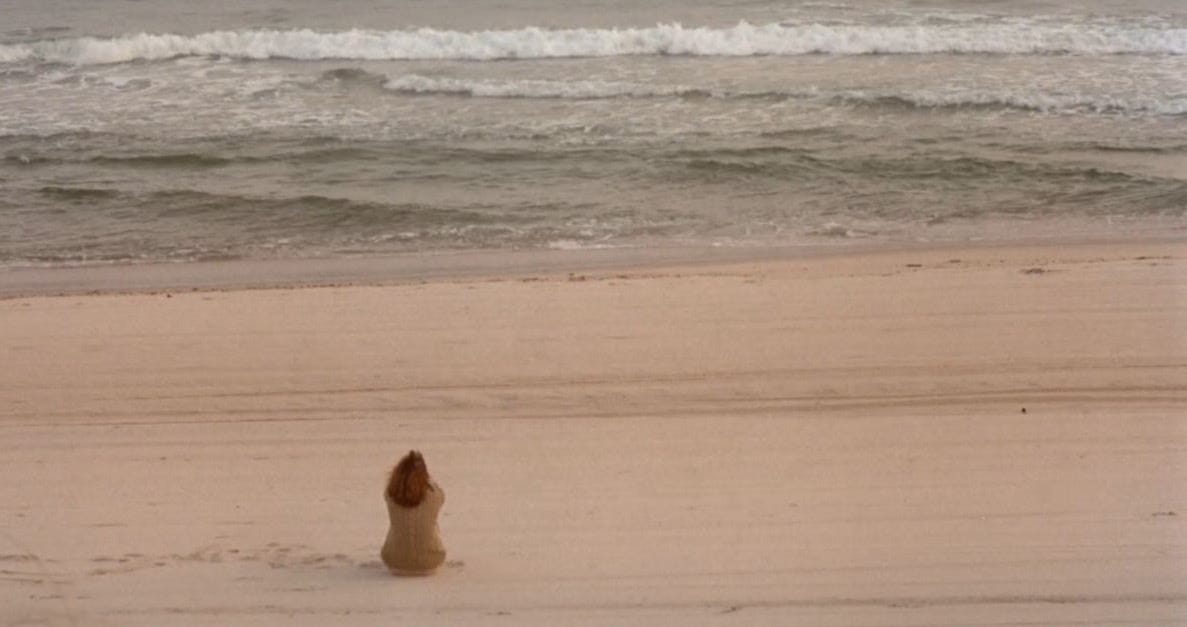
My home and studio nestle in the shadow of a great mountain, where a river runs through its valley. Yet, it is the ocean I long for always—the pull of its tides like an unspoken calling, drawing me beyond the horizon. I am deeply connected to the ocean—I always have been. I believe it lives within me, passed down from my mother’s mother, and hers before, going back to when they first settled on the cliffside of Cabo Espichel, Portugal. For most of my life, I have lived close to its shores, and perhaps I now realize that the darkest times of my life were when it was out of reach.
I also believe that it has been my greatest source of inspiration and has given me the ability to see the life I have longed for as an artist. When I consider the quote by Annie Dillard, “How we spend our days is, of course, how we spend our lives.” I’m drawn to the notion that where we spend our days determines, of course, how we will feel about our lives.
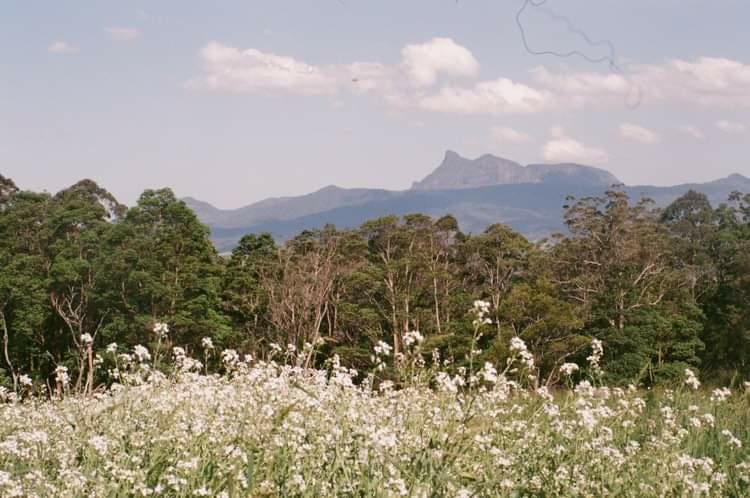
To spend one’s days where the vastness of the ocean, the sounds of its continuous motion—the waves coming in and out, the dance of the wind, the smell of salt and sea life—naturally fosters an attunement to the wonder and beauty of all that lies within us, and all that is before us. Is it any wonder that artists like Hans Hofmann, Mercedes Matter, Helen Frankenthaler and Robert Motherwell, Lee Krasner and Jackson Pollock, and many others, found their way to places like Provincetown, East Hampton, and Monhegan Island?
Hans Hofmann, the godfather of American Abstract Expressionism, and who the art critic Clement Greenberg described in 1945: “…is in all probability the most important art teacher of our time. . . . [His] insights into modern art . . . have gone deeper than those of any other contemporary. He has, at least in my opinion, grasped the issues at stake better than did Roger Fry and better than Mondrian, Kandinsky, Lhote, Ozenfant, and all the others who have tried to ‘explicate’ the recent revolution in painting.”, opened his Summer School in Provincetown in 1934, and for the next three decades, he continued to cast his net across the wider reaches of the art movement through his teaching, becoming widely known for his 'push and pull' technique. One of his early students in New York City, Mercedes Matter, studied with him there and also in Provincetown for two summers. Mercedes, who would go on to found the New York Studio School and play an essential role in shaping its philosophy of teaching art, describes her time with Hofmann in Provincetown in an interview—
“…the first summer I went, and a group of students and Hofmann took a house together- a lovely, lovely house near the most heavenly bay. It was a lovely little bay with a huge rock on one side that you couldn’t reach except at high tide. It had flowers growing in crevices and it was way out- it was just a wonderful place to go and sit.”
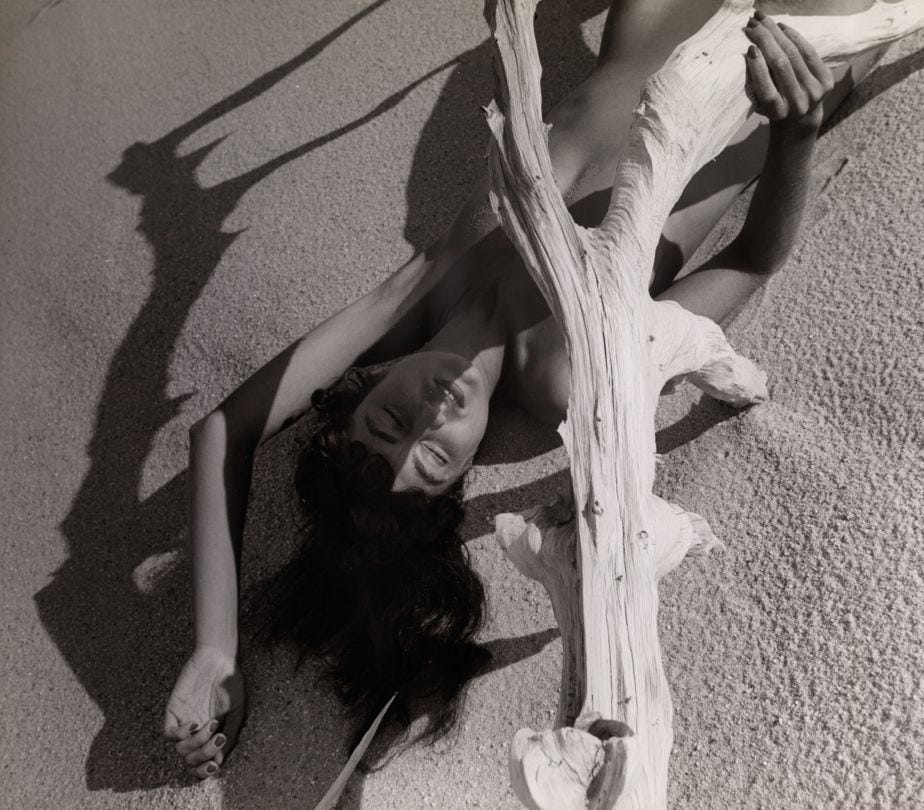
This observation also makes me think of the conversation between John O'Donohue and Krista Tippett on the On Being podcast, in which he discusses the concept of time and how we allow everything in our lives to almost act as a thief of our time. We forget how to be. And I believe that by putting ourselves in the presence of the ocean, we gain the ability to slip easily into our rhythm and access the inner realms of our imagination. The turning of the tides offering us the opportunity to just be and allow for its beauty to change us ~ to push us forward and into what we can be.
John O’Donohue The Inner Landscape of Beauty
Helen Frankenthaler was also one of the many artists that attended Hofmann’s Provincetown Summer School. In the early 1960s, Frankenthaler and her husband, the artist Robert Motherwell, would build a three-story home and studio on the beach, which Motherwell called the Sea Barn. It was a prolific period for both Motherwell and Frankenthaler and Provincetown would prove to be an environment that drowned out the noise of the city and nourished their desire to focus on the work. One summer, Frankenthaler made a list of more than 40 paintings she’d done. And these were not small things—some were huge, 10 by 9 feet.
In one interview Frankenthaler’s step-daughter, Lise Motherwell described Frankenthaler’s Provincetown studio as ~
“Helen’s studio spaces were pretty open, and one on Commercial Street had a great view of the water. When you were standing on the second floor, you could see the colors emerging as the tide went out, the green of eelgrass in the water, the sand underneath. Helen’s paintings really capture that experience—the feeling of looking down into that.”
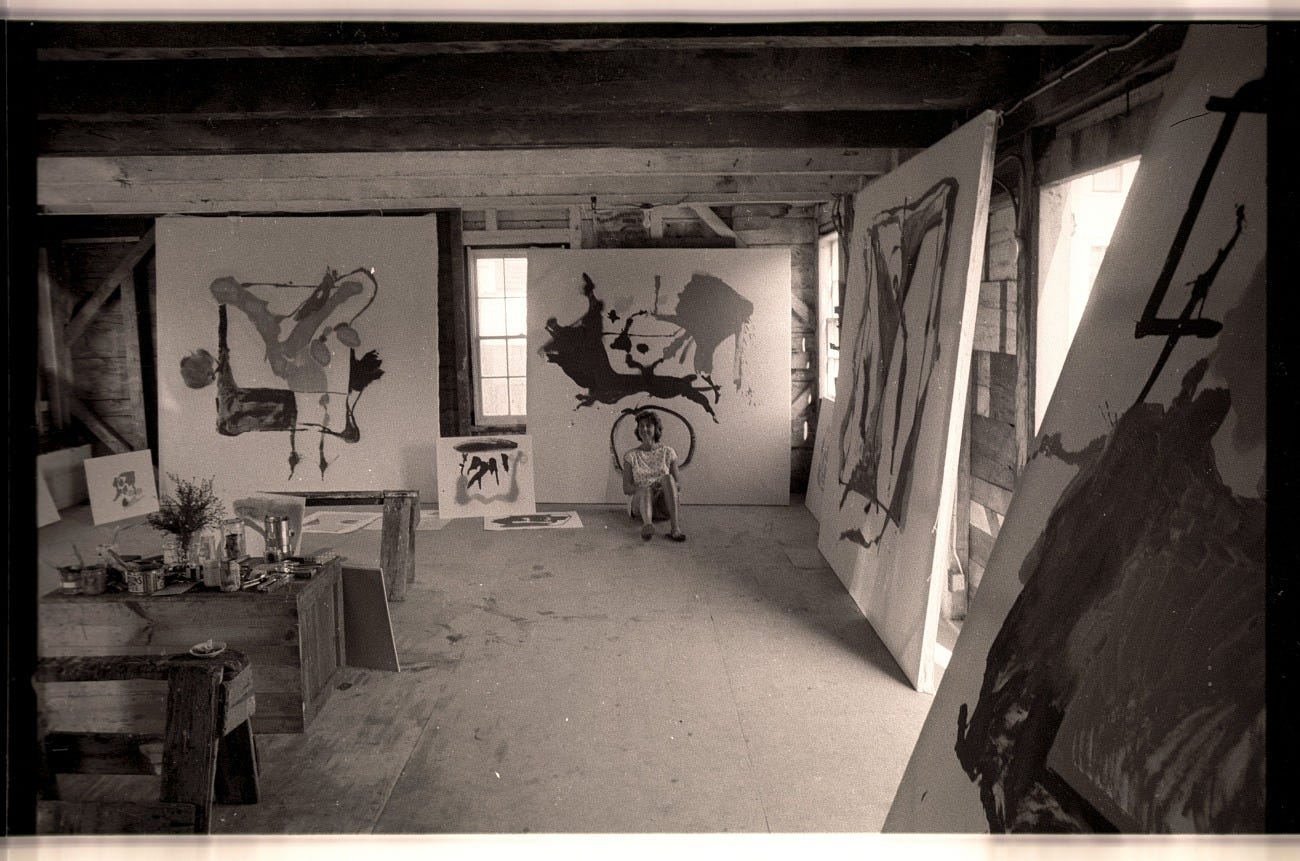
Watch an interview with Helen Frankenthaler in Provincetown
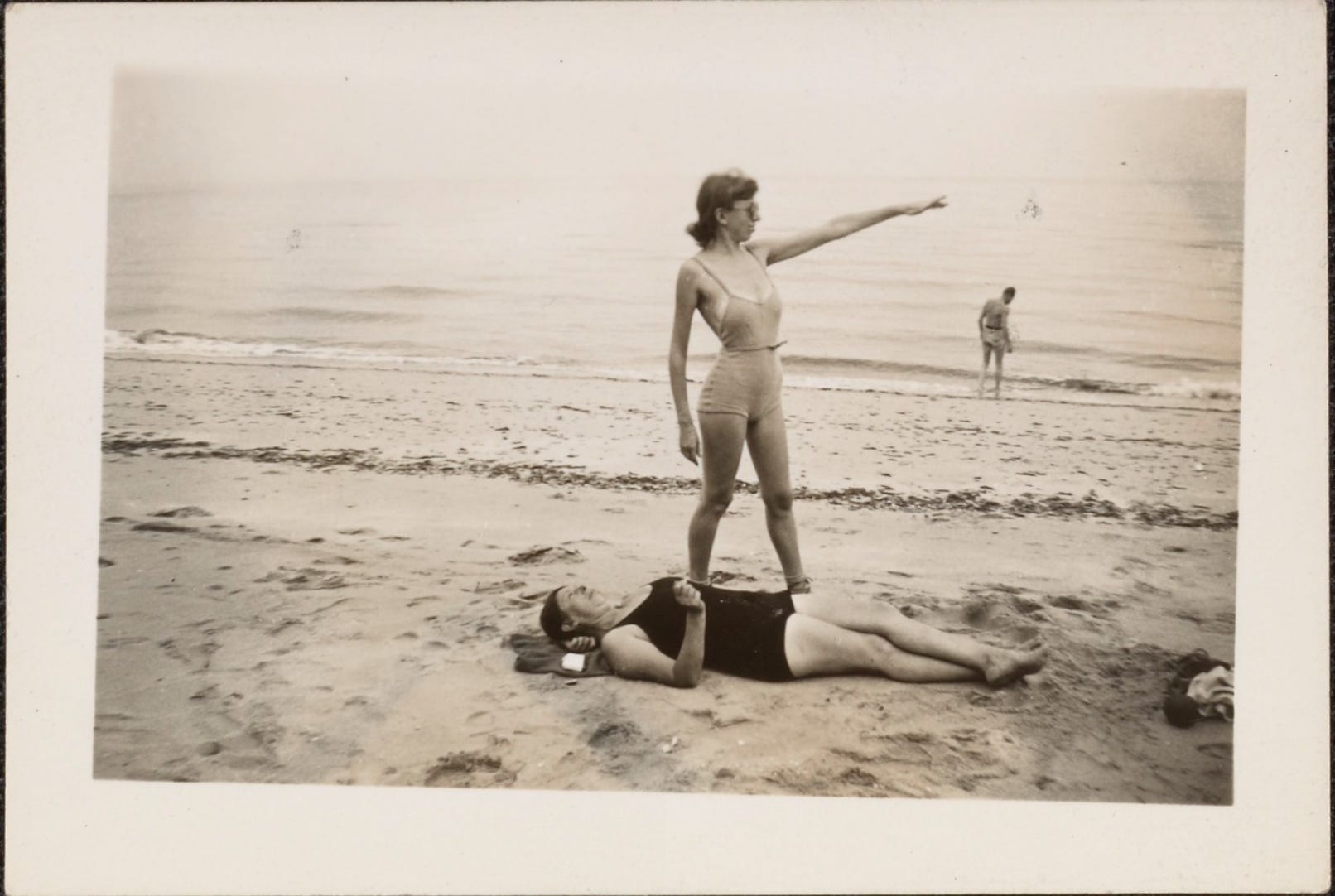
The artist Lee Krasner, who moved from the City to the shores of East Hampton with her husband Jackson Pollock, shared this story in an interview with Dorothy Seckler~
“Now I'll tell you something Mondrian said to me about my painting which does interest me enormously. This was at the time that I was a member of the American Abstract Artists. And this particular year both Leger and Mondrian partook in the exhibition. And I had the pleasure of walking around the gallery which Mondrian. Each artist had two or three canvases up. And Mondrian would ask, "Who did that?" And I gave the name, and he commented on each one. Well, then, pretty soon we were in front of mine and he said, "Who did that?" and I nervously said, "I did." And he said, "You have a very strong inner rhythm. You must always hold that." Now that makes sense to me rather than the male or female bit in relation to the painting.”
When I read this, I couldn’t help but wonder: is it the push and pull of the ocean’s tides that gives me the strength to ask the impossible questions? Perhaps it is the essence of the great unknown that lies beyond the horizon line. Perhaps it is the alchemy of its brutality and beauty, or the time captured, spiralled within the conch and shell, or its gestural nature grasped in a handful of sand. Perhaps if I listen to it closely it will give me the language I long to speak, with every sweeping gesture, wave upon wave, layer upon layer. Perhaps it is the ocean that helps us all find our inner rhythm and why I long for it when it is just out of sight.
“I never violate an inner rhythm. I know it is essential for me. I listen to it and I stay with it. I have regards for the inner voice.”
~Lee Krasner
Listen to Season Two of Death of An Artist~ Lee Krasner and Jackson Pollock
To be continued…